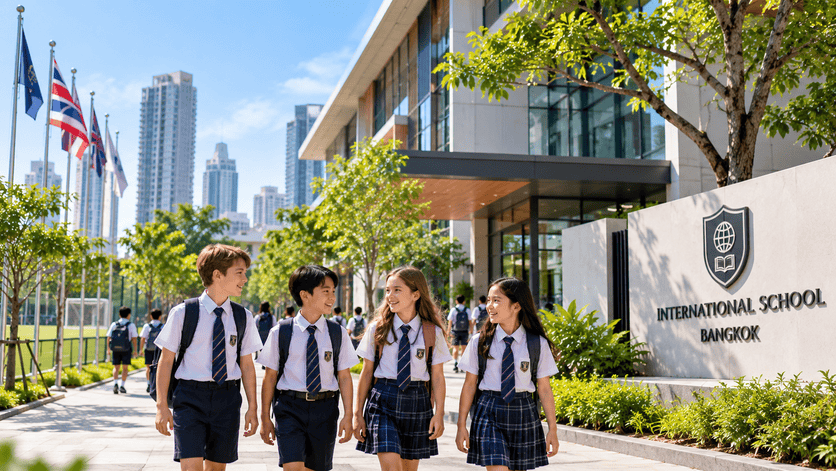
Top International School Bangkok

การเลือกโรงเรียนนานาชาติให้ลูกเป็นหนึ่งในการตัดสินใจสำคัญของผู้ปกครอง เพราะโรงเรียนไม่ได้มีหน้าที่เพียงมอบความรู้ แต่ยังช่วยพัฒนาทักษะ ความคิด และความพร้อมสำหรับอนาคต หลายครอบครัวจึงเริ่มค้นหาคำว่า Top International School Bangkok เพื่อเปรียบเทียบคุณภาพหลักสูตร มาตรฐานการศึกษา และสภาพแวดล้อมในการเรียนรู้

อย่างไรก็ตาม โรงเรียนที่ได้รับความนิยมอาจไม่ได้เหมาะกับเด็กทุกคน บทความนี้จะพาไปสำรวจปัจจัยที่ควรพิจารณา เพื่อช่วยให้ผู้ปกครองเลือกโรงเรียนนานาชาติที่ตอบโจทย์ทั้งด้านการศึกษาและพัฒนาการของลูก

Top International School Bangkok ควรมีคุณสมบัติอะไรบ้าง?

โรงเรียนนานาชาติที่มีคุณภาพควรให้ความสำคัญกับการพัฒนาผู้เรียนอย่างรอบด้าน ไม่ว่าจะเป็นผลสัมฤทธิ์ทางวิชาการ ทักษะการสื่อสาร ความคิดสร้างสรรค์ หรือความสามารถในการอยู่ร่วมกับผู้อื่น

การประเมินว่าโรงเรียนใดเหมาะสมจึงไม่ควรพิจารณาเฉพาะชื่อเสียงหรือค่าเล่าเรียน แต่ควรตรวจสอบหลักสูตร คุณภาพครู การดูแลนักเรียน และโอกาสทางการศึกษาที่โรงเรียนสามารถมอบให้ได้

1. หลักสูตรนานาชาติที่ได้รับการยอมรับ

หลักสูตรเป็นปัจจัยสำคัญในการเลือก International School Bangkok เพราะมีผลต่อรูปแบบการเรียนรู้และเส้นทางการศึกษาต่อของนักเรียน โดยหลักสูตรที่พบได้บ่อย ได้แก่

  • British Curriculum: เน้นการเรียนรู้ตามลำดับขั้น และเตรียมความพร้อมสู่การสอบ IGCSE และ A-Level
  • American Curriculum: มีความยืดหยุ่นในการเลือกวิชา และอาจเปิดโอกาสให้เรียนหลักสูตร AP ในระดับมัธยมปลาย
  • IB Programme: ส่งเสริมการคิดวิเคราะห์ การตั้งคำถาม การค้นคว้า และการเชื่อมโยงความรู้จากหลากหลายสาขา

ผู้ปกครองควรศึกษาจุดเด่นของแต่ละหลักสูตร รวมถึงตรวจสอบว่าโรงเรียนเปิดสอนช่วงชั้นใดบ้าง เพื่อเลือกเส้นทางที่สอดคล้องกับความสนใจและแผนการศึกษาระยะยาวของลูก

2. มาตรฐานและการรับรองคุณภาพโรงเรียน

อีกหนึ่งปัจจัยที่ควรตรวจสอบคือ School Accreditation หรือการรับรองมาตรฐานการศึกษา ซึ่งช่วยสะท้อนกระบวนการประเมินและพัฒนาคุณภาพของโรงเรียน

ตัวอย่างองค์กรที่เกี่ยวข้อง ได้แก่ Council of International Schools (CIS) และหน่วยงานรับรองคุณภาพการศึกษาที่ได้รับการยอมรับ

สำหรับโรงเรียนที่เปิดสอน IB ผู้ปกครองควรตรวจสอบสถานะการได้รับอนุญาตให้จัดการเรียนการสอนจาก International Baccalaureate Organization โดยตรง

ทั้งนี้ การเป็นสมาชิกองค์กรทางการศึกษากับการได้รับการรับรองมาตรฐานอาจมีความหมายแตกต่างกัน จึงควรตรวจสอบสถานะและรายละเอียดให้ชัดเจนก่อนตัดสินใจ

3. ครูผู้สอนมีคุณภาพและประสบการณ์

ครูเป็นบุคลากรสำคัญที่ส่งผลต่อประสบการณ์การเรียนรู้ของเด็ก โรงเรียนที่ดีควรมีครูที่มีคุณวุฒิเหมาะสม เข้าใจหลักสูตร และสามารถปรับวิธีสอนให้สอดคล้องกับความแตกต่างของนักเรียน

นอกจากนี้ ผู้ปกครองอาจสอบถามเกี่ยวกับสัดส่วนครูต่อนักเรียน การพัฒนาวิชาชีพของครู และระบบติดตามความก้าวหน้าทางการเรียน เพื่อประเมินว่าเด็กจะได้รับการดูแลอย่างทั่วถึงหรือไม่

สภาพแวดล้อมการเรียนรู้สำคัญต่อการเลือกโรงเรียนนานาชาติอย่างไร?

นอกจากคุณภาพวิชาการแล้ว สภาพแวดล้อมยังมีบทบาทสำคัญต่อความสุข ความมั่นใจ และการพัฒนาทักษะทางสังคมของเด็ก

4. สิ่งอำนวยความสะดวกและพื้นที่การเรียนรู้

โรงเรียนนานาชาติควรมีพื้นที่ที่เหมาะสมกับกิจกรรมและช่วงวัยของนักเรียน เช่น ห้องเรียนที่เอื้อต่อการมีส่วนร่วม ห้องสมุด ห้องปฏิบัติการวิทยาศาสตร์ พื้นที่ศิลปะ และสนามกีฬา

อย่างไรก็ตาม สิ่งอำนวยความสะดวกที่ทันสมัยเพียงอย่างเดียวไม่ได้รับประกันคุณภาพการศึกษา ผู้ปกครองควรพิจารณาด้วยว่าโรงเรียนนำทรัพยากรเหล่านั้นมาใช้สนับสนุนการเรียนรู้จริงอย่างไร

5. ส่งเสริมพัฒนาการรอบด้าน

แนวคิด Holistic Education ให้ความสำคัญกับการพัฒนาเด็กทั้งด้านสติปัญญา อารมณ์ สังคม และร่างกาย

โรงเรียนที่ให้ความสำคัญกับแนวคิดนี้มักจัดกิจกรรมเสริมหลักสูตร เช่น กีฬา ดนตรี ศิลปะ การทำงานเป็นทีม และกิจกรรมเพื่อสังคม

กิจกรรมเหล่านี้ช่วยเปิดโอกาสให้เด็กค้นพบความสนใจ ฝึกความรับผิดชอบ และพัฒนาทักษะที่จำเป็นต่อชีวิตนอกห้องเรียน

6. ความปลอดภัยและการดูแลนักเรียน

ผู้ปกครองควรให้ความสำคัญกับระบบรักษาความปลอดภัย มาตรการคุ้มครองเด็ก และการดูแลสุขภาพจิตของนักเรียน

โรงเรียนควรมีช่องทางรับฟังปัญหา ระบบป้องกันการกลั่นแกล้ง และบุคลากรที่สามารถช่วยเหลือนักเรียนเมื่อเกิดปัญหาด้านการเรียนหรือความสัมพันธ์กับเพื่อน

เปรียบเทียบ Top International School Bangkok ต้องดูอะไรเพิ่มเติม?

เมื่อคัดเลือกโรงเรียนที่สนใจได้แล้ว ผู้ปกครองควรเปรียบเทียบรายละเอียดเพิ่มเติม เพื่อให้มั่นใจว่าโรงเรียนเหมาะสมกับความต้องการของครอบครัว

7. ค่าเล่าเรียนและค่าใช้จ่ายตลอดปี

International School Fees แตกต่างกันตามหลักสูตร ระดับชั้น และบริการของแต่ละโรงเรียน

นอกจากค่าเทอม ผู้ปกครองควรตรวจสอบค่าแรกเข้า ค่าสมัครเรียน ค่าอาหาร รถรับส่ง เครื่องแบบ และค่ากิจกรรมเพิ่มเติม

การประเมินค่าใช้จ่ายทั้งหมดจะช่วยให้วางแผนการศึกษาระยะยาวได้เหมาะสม โดยไม่ต้องพิจารณาจากค่าเล่าเรียนเพียงอย่างเดียว

8. ผลการเรียนและการเตรียมความพร้อมเข้ามหาวิทยาลัย

สำหรับนักเรียนระดับมัธยม ผู้ปกครองควรศึกษาผลการสอบ IGCSE, A-Level หรือ IB Diploma ตามหลักสูตรที่โรงเรียนเปิดสอน

ข้อมูลเกี่ยวกับมหาวิทยาลัยที่นักเรียนสำเร็จการศึกษาได้รับการตอบรับ รวมถึงบริการแนะแนวการศึกษาต่อ สามารถช่วยประเมินความพร้อมด้าน University Preparation ได้

อย่างไรก็ตาม ควรพิจารณาผลการเรียนร่วมกับการสนับสนุนนักเรียนแต่ละระดับความสามารถ ไม่ใช่ดูเฉพาะจำนวนผู้สอบได้คะแนนสูง

9. ทำเลและความสะดวกในการเดินทาง

แม้จะเป็นโรงเรียนที่มีชื่อเสียง แต่หากต้องใช้เวลาเดินทางนานทุกวัน อาจส่งผลต่อเวลาพักผ่อนและการทำกิจกรรมของเด็ก

ผู้ปกครองจึงควรพิจารณาระยะทาง สภาพการจราจร และบริการรถรับส่งควบคู่ไปกับคุณภาพการศึกษา

วิธีเลือก Best International School in Bangkok ให้เหมาะกับลูก

การเลือก Best International School in Bangkok ไม่จำเป็นต้องหมายถึงโรงเรียนที่มีค่าเล่าเรียนสูงที่สุด แต่ควรเป็นโรงเรียนที่ตอบโจทย์ความต้องการของเด็กและครอบครัว

ก่อนสมัครเรียน ผู้ปกครองควรเข้าร่วมกิจกรรม Open House หรือ School Tour เพื่อสัมผัสบรรยากาศจริง พูดคุยกับครู และสอบถามแนวทางการจัดการเรียนการสอน

การสังเกตปฏิสัมพันธ์ระหว่างครูกับนักเรียน รวมถึงการรับฟังความคิดเห็นของลูก จะช่วยให้ตัดสินใจได้รอบคอบมากขึ้น

FAQ คำถามที่พบบ่อยเกี่ยวกับ Top International School Bangkok

1. Top International School Bangkok ต้องมีหลักสูตรอะไร?

ไม่มีหลักสูตรเดียวที่เหมาะกับเด็กทุกคน ผู้ปกครองสามารถพิจารณา British Curriculum, American Curriculum หรือ IB Programme ตามรูปแบบการเรียนรู้และเป้าหมายการศึกษาต่อของลูก

2. โรงเรียนนานาชาติที่มีค่าเทอมสูงดีกว่าเสมอหรือไม่?

ไม่เสมอไป ค่าเทอมเป็นเพียงหนึ่งในปัจจัยที่ควรพิจารณา คุณภาพครู หลักสูตร การดูแลนักเรียน และสภาพแวดล้อมมีความสำคัญเช่นเดียวกัน

3. ควรเริ่มเรียนโรงเรียนนานาชาติตั้งแต่อายุเท่าไร?

ขึ้นอยู่กับความพร้อมของเด็กและครอบครัว หลายโรงเรียนเปิดรับตั้งแต่ระดับ Early Years ซึ่งเน้นการเรียนรู้ผ่านการเล่นและกิจกรรมที่เหมาะสมกับพัฒนาการ

4. เลือกโรงเรียนนานาชาติกรุงเทพอย่างไรให้คุ้มค่า?

ควรเปรียบเทียบหลักสูตร ค่าใช้จ่ายทั้งหมด คุณภาพการสอน ระยะทาง และบริการสนับสนุนนักเรียน พร้อมเข้าเยี่ยมชมโรงเรียนก่อนตัดสินใจ

สรุป เลือกโรงเรียนนานาชาติที่ดีที่สุด เริ่มจากความเหมาะสมกับลูก

การค้นหา Top International School Bangkok เป็นจุดเริ่มต้นที่ดีสำหรับผู้ปกครองที่ต้องการมอบการศึกษาคุณภาพให้ลูก แต่สิ่งสำคัญกว่าการจัดอันดับคือการค้นหาโรงเรียนที่เหมาะกับความสามารถ ความสนใจ และบุคลิกของเด็ก

การพิจารณาหลักสูตร มาตรฐานการศึกษา คุณภาพครู สภาพแวดล้อม และค่าใช้จ่ายอย่างรอบด้าน จะช่วยให้ครอบครัวตัดสินใจเลือกโรงเรียนนานาชาติได้อย่างมั่นใจ พร้อมสร้างพื้นฐานการเรียนรู้ที่ดีสำหรับอนาคต

International School Bangkok

Choosing a school is one of the most important decisions parents make for their children. For families searching for an International School Bangkok, the number of choices can make the process feel complicated. Schools may differ in curriculum, teaching approach, facilities, location, tuition fees, extracurricular activities, and the overall learning environment.

Rather than looking for one school that is considered the “best” for everyone, parents should focus on finding the school that best matches their child’s personality, interests, learning style, and future educational goals.

A thoughtful comparison can help families move from general research to a shortlist of schools that genuinely meet their needs.

Why Are International Schools in Bangkok Popular?

Bangkok has become an important centre for international education, with schools offering different educational systems and learning environments.

For many families, international education is attractive because it provides an English-language learning environment, internationally recognised curricula, multicultural communities, and pathways to universities in Thailand and overseas.

However, the term “international school” covers many different types of schools. Two schools may both teach primarily in English but provide very different educational experiences.

This is why parents searching for an International School Bangkok should understand what they value most before comparing individual schools.

Start by Choosing the Right Curriculum

Curriculum is one of the first factors to consider.

International schools may follow systems such as:

  • British Curriculum
  • American Curriculum
  • International Baccalaureate (IB)
  • Other international or blended curricula

Each curriculum has its own structure and educational philosophy.

British Curriculum

A British curriculum generally provides a structured educational pathway from the Early Years through Primary and Secondary education.

In later stages, pupils may work towards qualifications such as IGCSEs and A Levels depending on the school.

This approach may appeal to families who prefer a clear academic progression and are considering universities in the UK or internationally.

International Baccalaureate

The International Baccalaureate is known for encouraging inquiry, critical thinking, independent learning, and connections between different areas of knowledge.

Rather than asking which curriculum is universally better, parents should consider which approach is more appropriate for their child.

Consider Your Child’s Learning Style

Curriculum is important, but how a child learns is equally important.

Some children thrive in highly structured environments. Others learn best when they can explore ideas, ask questions, collaborate with classmates, and participate in practical projects.

Parents should observe whether their child:

  • Enjoys independent learning
  • Responds well to structured lessons
  • Likes creative activities
  • Has strong interests in particular subjects
  • Enjoys teamwork
  • Needs additional academic support
  • Benefits from smaller learning groups

Understanding these characteristics can make the search for an International School Bangkok significantly more focused.

Look at Teaching Quality

An impressive campus cannot replace excellent teaching.

When researching schools, parents should learn about the experience and qualifications of teachers and how the school supports professional development.

It is also useful to understand how teachers monitor individual progress.

Questions to Ask About Teachers

Parents may want to ask:

  • How are pupils assessed?
  • How is progress communicated to parents?
  • What happens when a pupil needs additional help?
  • How are academically advanced pupils challenged?
  • How does the school support pupils learning English?
  • What is the typical class size?

The answers can reveal much more about the everyday learning experience than promotional materials alone.

Academic Success Should Not Be the Only Measure

Strong academic outcomes are important, particularly for older pupils preparing for university.

However, education should also help children develop communication skills, independence, creativity, resilience, leadership, and confidence.

When comparing schools, parents should therefore explore both academic programmes and broader opportunities.

A balanced education may include sport, music, drama, art, design, technology, clubs, leadership programmes, and community activities.

These experiences can help children discover strengths that may not always appear in examination results.

Evaluate Extracurricular Opportunities

Extracurricular activities can play an important role in school life.

Children may develop interests through activities such as:

Sports

Football, swimming, basketball, tennis, athletics, gymnastics, and other sports can promote physical health, teamwork, and confidence.

Performing Arts

Music, drama, and dance can provide opportunities for creativity and public performance.

Creative Subjects

Art and design allow pupils to develop imagination and practical skills.

Clubs and Societies

Clubs can introduce pupils to technology, languages, reading, debating, science, entrepreneurship, and many other interests.

Parents should ask how frequently activities are available and whether they are included in tuition or require additional fees.

Check the School Facilities

Facilities can support a broad curriculum, but parents should focus on how they are used rather than simply how impressive they look.

During a campus visit, consider exploring:

  • Classrooms
  • Libraries
  • Science laboratories
  • Sports halls
  • Swimming facilities
  • Performing arts spaces
  • Music rooms
  • Art and design areas
  • Outdoor areas
  • Dining facilities
  • Technology spaces

Ask how often pupils use these facilities and how they connect with classroom learning.

School Culture Matters

School culture can have a major influence on a child’s experience.

Parents should look for an environment where pupils appear comfortable, engaged, respectful, and confident.

During a school visit, observe interactions between pupils and teachers.

Do teachers know pupils personally? Are children comfortable asking questions? Does the atmosphere feel supportive?

A positive school culture can encourage children to participate, take intellectual risks, and develop greater confidence.

Consider Student Wellbeing and Pastoral Care

Children learn more effectively when they feel safe and supported.

When comparing an International School Bangkok, ask how the school approaches student wellbeing.

Important areas may include:

  • Pastoral care
  • Emotional wellbeing
  • Friendship issues
  • Behaviour support
  • Safeguarding
  • Transition support for new pupils
  • Communication with families

Parents should understand who their child can speak to if they have academic, social, or emotional concerns.

Location Can Affect Daily Quality of Life

Bangkok traffic makes school location particularly important.

A school that appears relatively close on a map can involve a much longer journey during peak hours.

Parents should calculate realistic travel times in the morning and afternoon.

A long commute can reduce time available for sleep, homework, extracurricular activities, relaxation, and family life.

When comparing schools of similar quality, a location that fits the family’s daily routine can therefore be a meaningful advantage.

Compare International School Fees Carefully

Tuition is an important consideration, but it may not represent the complete cost.

Parents should ask whether there are additional fees for:

  • Application
  • Registration
  • Meals
  • Transportation
  • Uniforms
  • School trips
  • Examinations
  • Activities
  • Technology
  • Learning materials

Instead of comparing tuition alone, calculate the estimated total annual cost.

This creates a more realistic comparison and helps families determine whether the school remains financially sustainable over several years.

Should Parents Choose a School Based on Rankings?

Rankings and awards can provide useful information, but they should not become the only factor in the decision.

Every child is different.

A highly ranked school may be excellent but still not provide the environment that best suits a particular pupil.

Parents should treat rankings as one source of information alongside curriculum, teaching, school culture, location, facilities, extracurricular opportunities, and their child’s individual needs.

Why a School Tour Is Essential

Online research can help parents create a shortlist, but visiting the campus provides another level of understanding.

During a school tour, families can see how the campus operates during a normal school day.

Parents can meet teachers or admissions staff, explore classrooms, ask questions, and better understand the atmosphere.

Whenever possible, bring your child to the visit.

Their reaction to the environment can provide valuable information.

Questions to Ask During an International School Tour

Prepare questions before visiting.

Curriculum Questions

Ask which curriculum is followed, how pupils are assessed, and what qualifications are available in Secondary School.

Academic Support Questions

Ask how the school supports pupils who need extra assistance or greater academic challenge.

Activities Questions

Find out which sports, arts, music, clubs, and extracurricular programmes are available.

Admissions Questions

Ask about assessments, required documents, entry points, waiting lists, and application timelines.

Fees Questions

Request a complete fee structure so that tuition and additional costs can be compared accurately.

Moving from Research to a Shortlist

Parents do not need to visit every international school in Bangkok.

Start by identifying five or six priorities such as:

  1. Curriculum
  2. Location
  3. Teaching quality
  4. Student wellbeing
  5. Activities
  6. Budget

Use these factors to create a shortlist of approximately two to four schools.

Then research each school in greater detail and arrange campus visits.

This makes the decision more manageable and avoids comparing schools that do not meet the family’s fundamental requirements.

Exploring Brighton College Bangkok

Families researching an International School Bangkok can include Brighton College Bangkok among the schools they explore when comparing British international education in the city.

Parents should review the school’s educational approach, age groups, academic pathways, extracurricular opportunities, campus options, admissions information, and practical considerations before deciding whether it belongs on their shortlist.

The next step after online research should be direct contact with the school and, where possible, a campus visit.

Final Thoughts

Choosing an International School Bangkok is not about finding a single school that is objectively perfect.

The right school should provide a strong match between the curriculum, teachers, environment, opportunities, location, family expectations, and the needs of the individual child.

Parents should research carefully, compare several schools, visit campuses, ask detailed questions, and involve their child in the process when appropriate.

A thoughtful decision can help provide an educational environment where a child feels supported, challenged, confident, and enthusiastic about learning.

FAQ About International Schools in Bangkok

What should I look for when choosing an international school in Bangkok?

Consider curriculum, teacher quality, school culture, facilities, extracurricular opportunities, student support, location, fees, and how well the school matches your child’s needs.

Which international school curriculum is best?

There is no single best curriculum. British, IB, American, and other systems have different strengths. The best choice depends on the child’s learning style and future plans.

Should I visit the school before applying?

Yes. A campus visit allows families to understand the environment, meet the admissions team, explore facilities, and ask detailed questions.

Are international school fees in Bangkok only tuition?

Not always. Families should check for application, registration, meals, transport, activities, trips, examinations, uniforms, and other costs.

How many international schools should I shortlist?

Two to four strong options are often easier to compare in detail than a very long list.

When should parents start researching international schools?

Starting early provides more time to compare curricula, visit campuses, understand admissions requirements, and prepare necessary documents.